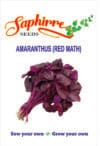








The Complete Guide to Choulai Red Edible (Amaranthus)
Transform your garden into a vibrant kaleidoscope of color and health with Choulai Red Edible, also known as Red Amaranthus. Cherished for centuries across Asian and African cuisines, this striking, ruby-red leafy green is more than just a feast for the eyes—it is a nutritional powerhouse and a living piece of agricultural heritage.
Whether you are looking to honor ancient culinary traditions or simply want a fast-growing, low-maintenance superfood for your backyard, Choulai Red seeds are your golden ticket to a bountiful, sustainable harvest.
Why Grow Red Choulai in Your Garden?
A Nutritional Superhero: Known as the “Swiss Army knife of vegetables,” Red Amaranthus is exceptionally rich in plant-based protein, dietary fiber, and antioxidants. It provides dense levels of iron, calcium, and Vitamins A, C, and K to naturally boost immunity and support heart health.
Climate Adaptability: This hardy, resilient plant thrives in various climates and easily adapts to poor soil conditions, making it incredibly forgiving for beginner gardeners.
Eco-Friendly & Sustainable: Growing Choulai supports biodiversity. Fascinatingly, this plant acts as a natural bio-remediator, known for its ability to absorb heavy metals and cleanse the soil.
Deep Cultural Heritage: Cultivated for over 8,000 years, Amaranthus was a staple crop for the ancient Aztecs. Planting these desi seeds connects you to generations of traditional, wholesome farming.
Quick Growing Specifications
| Feature | Requirement / Detail |
| Sunlight | Full Sun Exposure |
| Soil pH | 6.0 to 7.0 (Well-drained) |
| Seed Depth | 1/4 inch |
| Spacing | 12 to 18 inches apart in rows |
| Watering | Keep evenly moist (Do not waterlog) |
| Harvest Time | Pick young, tender leaves for the best flavor |
Step-by-Step Planting & Care Guide
Embrace the organic revolution with these easy growing and maintenance steps:
Sowing: Plant your seeds directly into well-drained soil in a sunny spot. Ensure they are planted shallowly (about 1/4 inch deep) and spaced adequately to allow for their bushy growth.
Watering: Water the beds regularly. The goal is to keep the soil consistently moist but never soggy or waterlogged.
Feeding: Apply a balanced, organic fertilizer every 4 to 6 weeks to fuel the vibrant red foliage.
Weed & Moisture Control: Add a layer of organic mulch around the base of the plants to lock in soil moisture and naturally suppress competing weeds.
Pest Management: Keep an eye out for common garden pests like aphids and caterpillars. If needed, treat gently with organic, plant-safe pesticides.
Harvesting: Snip leaves when they are young and tender for a sweeter, more delicate flavor. Regular harvesting actually encourages the plant to produce more leaves!
Culinary Uses: From Garden to Table
Red Amaranthus is as versatile as a chef’s knife. The vivid red leaves bleed a beautiful crimson hue when cooked, elevating the visual appeal of any meal.
Fresh & Raw: Toss tender young leaves into salads or blend them into antioxidant-rich smoothie bowls.
Traditional Cooking: Sauté or steam the mature leaves just like spinach. It acts as the perfect base for traditional Indian saag, curries, and hearty soups.
Bonus Harvest: If you let the plant go to seed, the harvested Amaranth seeds can be used as a highly nutritious, gluten-free grain alternative in baking or porridge.
Reviews
There are no reviews yet.