






Meet the Peace Lily (Spathiphyllum): Your Home’s New Best Friend
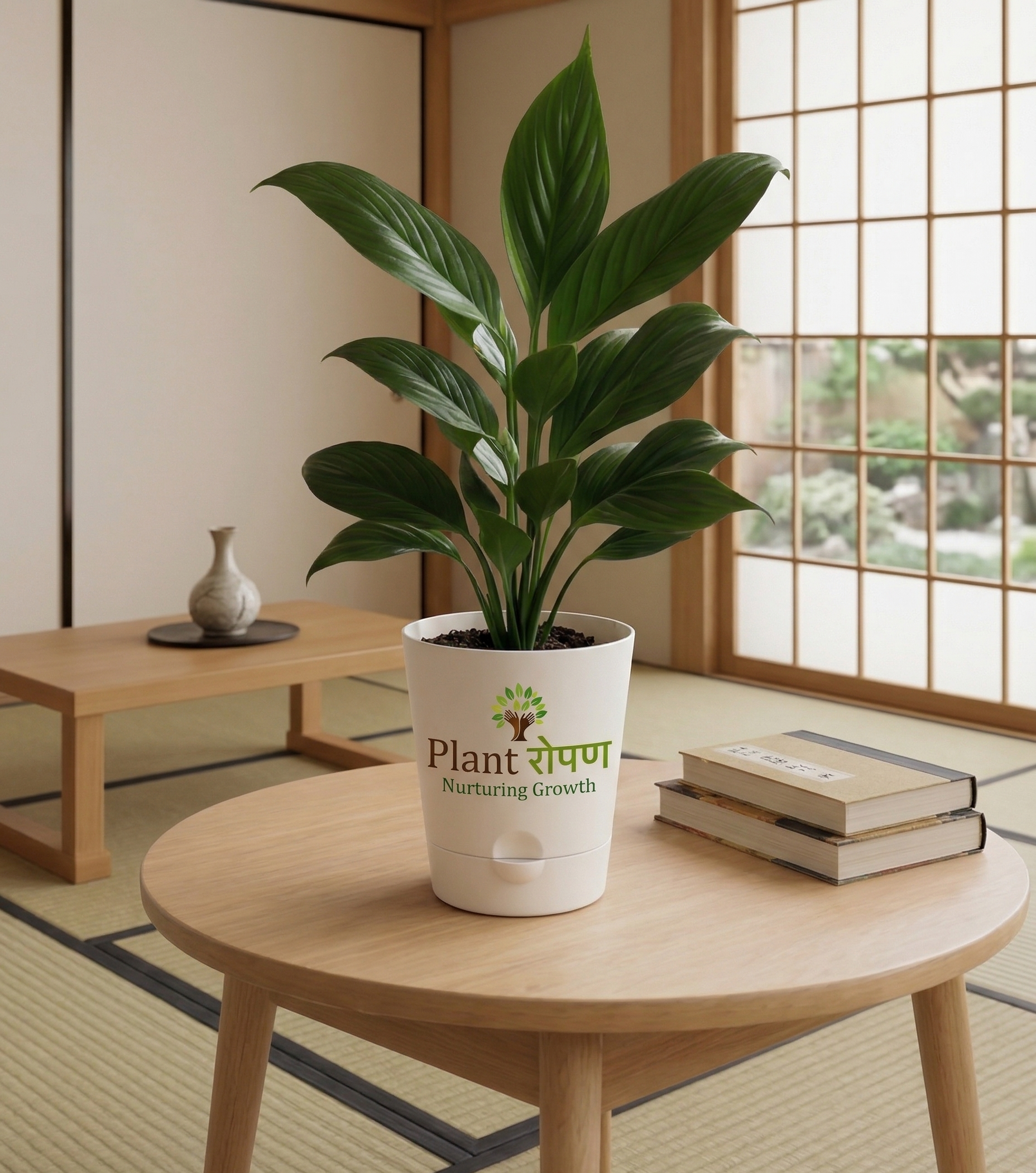
The Peace Lily is a stunning, low-maintenance houseplant celebrated for its elegant white blooms and lush, glossy green foliage. Native to the tropical rainforests of Central and South America, it is the perfect blend of beauty and resilience, making it ideal for seasoned plant parents and beginners alike.
Beyond its striking looks, this plant acts like a tiny environmental superhero. It is a natural air purifier, actively absorbing indoor pollutants like formaldehyde, benzene, and carbon monoxide while releasing fresh oxygen.
At a Glance: Peace Lily Care
For a quick reference, here is what your Spathiphyllum needs to thrive:
| Care Requirement | Details |
| Light | Bright, indirect sunlight; avoid direct rays. |
| Water | Water only when the top inch of soil feels dry. |
| Temperature | Maintain between 65°F to 85°F (18°C to 29°C). |
| Soil | Well-draining, nutrient-rich mix (potting soil, peat moss, perlite). |
| Feeding | Fertilize every 6–8 weeks during the growing season. |
| Safety | Mildly toxic to pets; keep out of reach of cats and dogs. |
How to Keep Your Peace Lily Thriving
If you think keeping a pet goldfish is tough, wait until you see how forgiving the Peace Lily is! While it practically thrives on neglect, finding the right balance will encourage it to produce its iconic white flowers.
Lighting: The Plant Diva
The Peace Lily prefers bright, indirect light. Think of it as the diva of the plant world: too much direct sun, and it will throw a tantrum (scorched leaves); too little light, and it will sulk and refuse to bloom. Find that sweet spot, and your plant will reward you with lush foliage.
Watering: The Goldilocks Rule
Your Peace Lily will boldly tell you when it’s thirsty by drooping its leaves, screaming, “Hey, I need a drink!” However, overwatering is the kiss of death. Channel your inner Goldilocks and find the “just right” balance—water thoroughly when the top inch of soil is dry, but don’t let it sit in a soggy, swampy pot.
Soil & Feeding
The right soil is like a comfy bed for your plant. It craves a well-draining, nutrient-rich mix that allows its roots to breathe. Treat it to a spa day with a mix of potting soil, peat moss, and perlite. During the growing season, a balanced houseplant fertilizer every 6 to 8 weeks will keep it looking its best.
Pest Control
Occasionally, uninvited guests like spider mites or aphids might crash the party. Fear not! A little neem oil or insecticidal soap will send those pests packing. Keep an eye out for signs of trouble, and you’ll be the ultimate bouncer for your leafy paradise.
Growing Your Collection
Propagation
Want to expand your plant family without breaking the bank? Peace Lily propagation is as easy as pie. Simply take a healthy division of the mature plant, pop it in fresh soil, and voilà! You’ve got a new leafy companion. It’s like cloning, but without the mad scientist vibes.
Exciting Varieties
Not all Peace Lilies are created equal. There is a whole botanical runway of Spathiphyllum varieties to choose from. Whether you prefer the petite Spathiphyllum Wallisii for your desk or the grand Spathiphyllum Sensation to fill an empty corner, there is a size and shape for every space.
Fun Facts About Your Peace Lily
Not a True Lily: Despite the name, it actually belongs to the Araceae family.
Continuous Blooms: With the right care, it can bloom multiple times a year, with flowers lasting for several weeks.
Symbol of Luck: In many cultures, the Peace Lily is gifted on special occasions because it is believed to bring good luck, peace, and prosperity.
Photosynthesis Boost: Wiping the dust off its glossy leaves regularly doesn’t just keep it looking pretty—it actually helps the plant breathe and photosynthesize better!



Reviews
There are no reviews yet.