






The Complete Guide to Asparagus
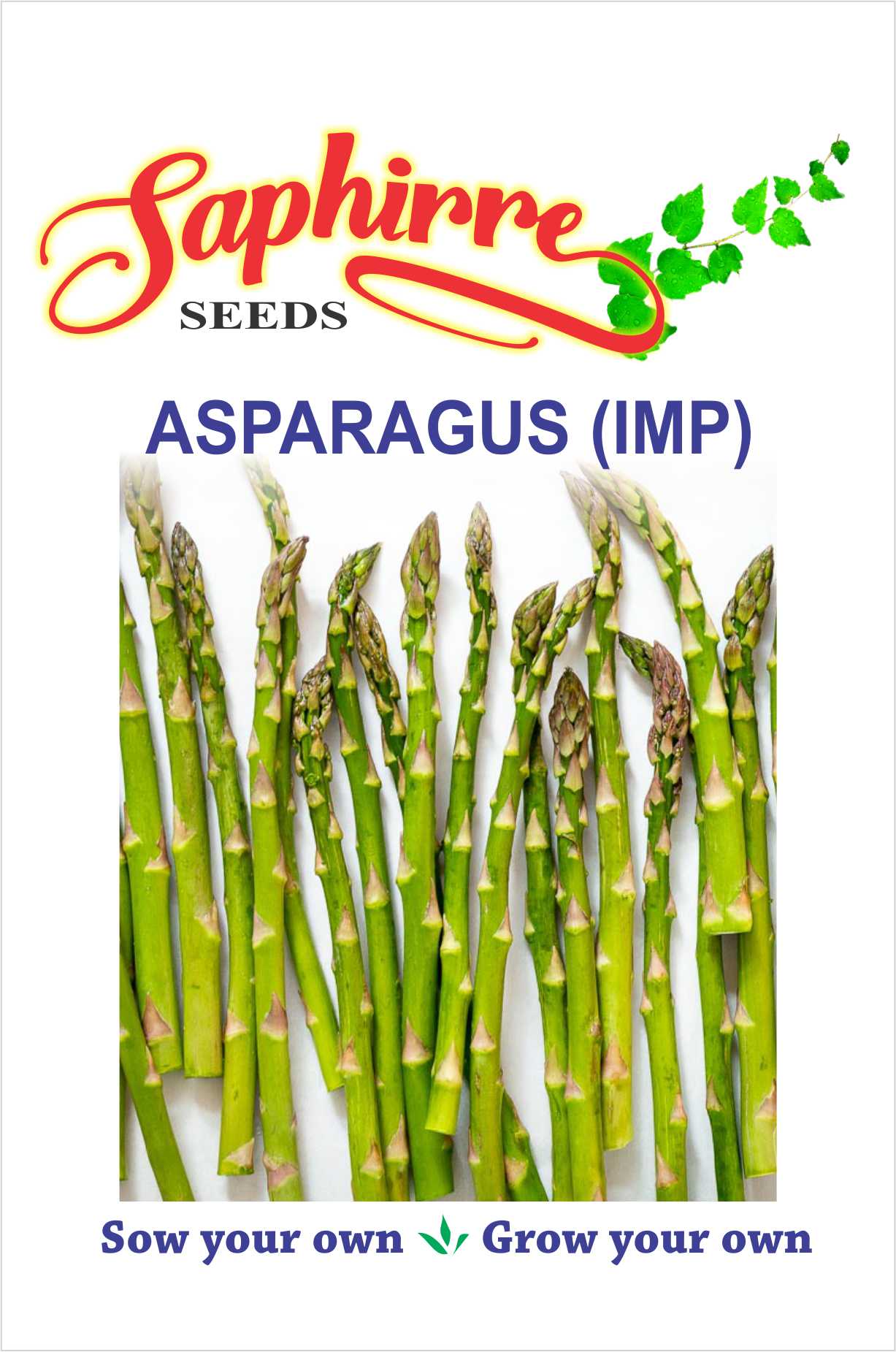
If you believe that “good things come to those who wait,” the Asparagus is the ultimate reward. This is not just a vegetable; it is a long-term commitment to culinary excellence in your backyard. Once established, an asparagus patch is a “loyal friend” that can remain productive for up to 20 years. The imp variety is a modern marvel of plant breeding, specifically engineered to provide an earlier harvest, superior disease resistance, and a more uniform, tender spear than traditional heirloom types.
Planting these seeds is an act of “gardening for the future.” While it requires a bit of patience during the initial years, the payoff is a bounty of fresh, earth-grown goodness that you can harvest, steam, or grill right in your own kitchen. It is the perfect choice for the gardener who wants to transition from a hobbyist to a sustainable “homestead” producer.
Why Grow Asparagus ?
Early Harvest Potential: Unlike older varieties that make you wait years, is bred to get you to your first harvest in as little as 2–3 years.
Nutritional Powerhouse: Packed with vitamins A, C, E, and K, as well as folate and essential fiber, it is the ultimate “guilt-free” indulgence for the health-conscious kitchen.
Adaptable & Tough: Whether you have sandy or clay soil, is versatile enough to thrive. It’s an incredibly sustainable crop choice that works with the land you have.
Long-Term Bounty: A well-cared-for patch is the gift that keeps on giving, returning year after year to provide you with delicious, fresh spears.
Quick Growing Specifications
Step-by-Step Planting & Care Guide
Growing this perennial masterpiece is a rewarding journey—here is how to set yourself up for decades of success:
Preparation: Asparagus is a bit of a “diva” about soil. Ensure your site is well-drained and amend it with organic compost to give it the five-star treatment it craves.
Sowing: Plant seeds 1–2 inches deep. Patience is the secret ingredient—ensure you keep the soil moist but not waterlogged while the “little green babies” get established.
Care: Mulching is your best friend—it retains moisture and keeps pesky weeds from competing with your spears.
Feeding: A balanced fertilizer in early spring acts as a “wake-up call” to promote healthy, strong growth.
Harvesting: This is the treasure hunt! Wait until the spears are 6–8 inches tall, then snip them at the base. Timing is everything—don’t let them get too tall!
Winterizing: In late fall, cut back the ferns. This redirects the plant’s energy down into the roots, ensuring it survives the winter and returns with vigor in the spring.
Lifestyle & Design Uses: A Multi-Sensory Star
Companion Harmony: Asparagus loves friends! Planting tomatoes, basil, or marigolds nearby can deter pests and improve soil health, creating a “buddies system” that benefits the entire garden.
Gourmet Flexibility: Once you bring your harvest inside, the possibilities are endless—from roasted perfection to fancy risotto, your homegrown spears will be the star of every meal.
Biodiversity Booster: Your asparagus patch serves as a permanent part of your garden’s structure, acting as a stable feature that supports local insects and soil health.
Follow-up: Since establishing an asparagus patch is a multi-year commitment, would you like advice on the best companion plants to grow nearby while your new bed is getting established?



Reviews
There are no reviews yet.