



The Complete Guide to Bhindi F1 Hybrid Seeds (Okra)
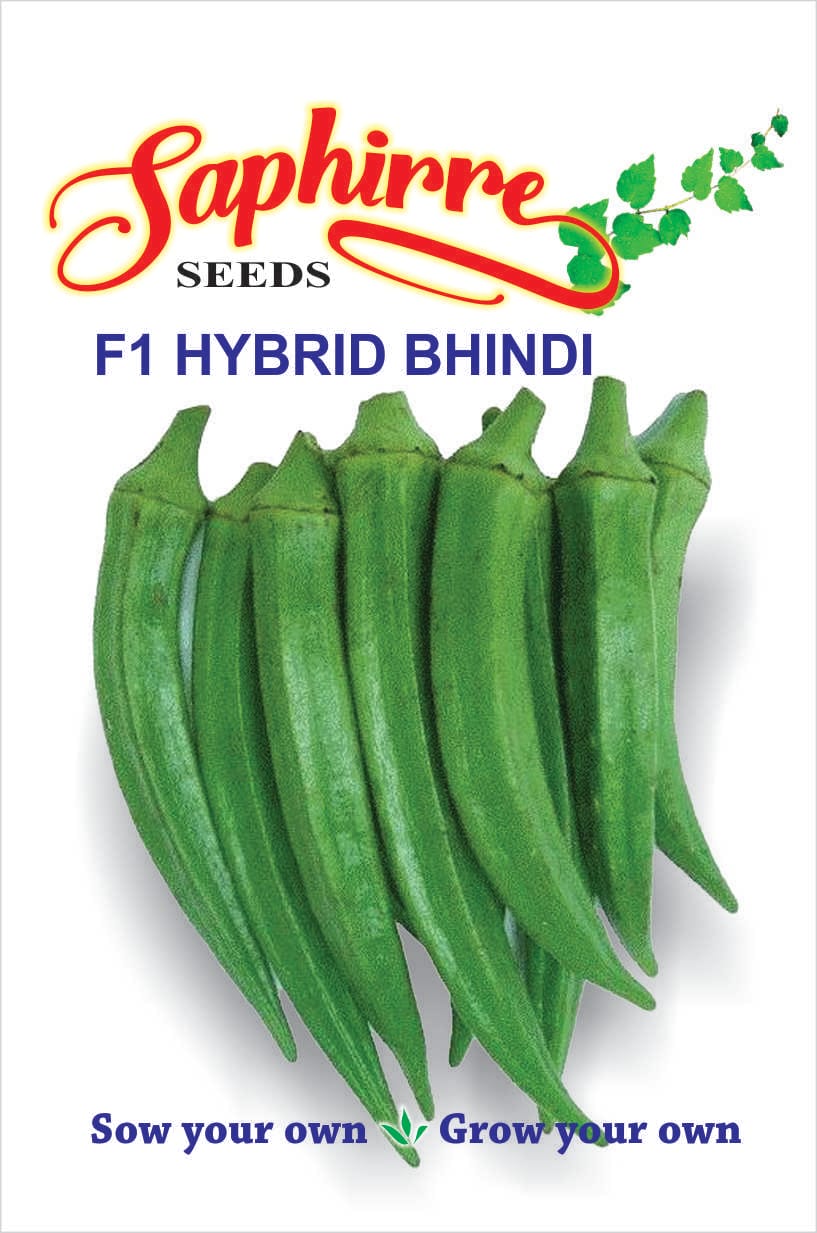
Introducing the Bhindi F1 Hybrid Seeds (Okra), a premium variety of vegetable seeds that promises to elevate your gardening experience. Known affectionately as “lady’s finger” due to its slender shape, this F1 hybrid is the absolute superstar of the vegetable world.
Whether you are a commercial farmer or a passionate home gardener looking to turn your backyard into a vegetable paradise, the F1 No.3 variety promises high yields, vibrant green color, and incredibly tender, flavorful pods.
Why Grow Bhindi F1 Hybrid Seeds (Okra) in Your Garden?
Exceptional F1 Hybrid Yield: Boasts outstanding disease resistance and a significantly shorter maturation period, allowing you to enjoy fresh, high-quality okra in no time.
Digestive & Health Benefits: This green gem is not just a pretty face; it is packed with vitamins, minerals, and natural mucilage that aids in digestion, lowers cholesterol, and promotes glowing skin.
Climate Adaptability: Thrives beautifully in warm weather and adapts easily to diverse growing conditions and soils.
Chemical-Free Potential: Highly vigorous and perfectly suited for organic farming. Growing this variety organically keeps your garden a safe haven for beneficial insects.
Companion Planting Champion: Boosts your garden’s overall productivity! Okra creates a harmonious ecosystem when planted alongside tomatoes or peppers, naturally keeping pests at bay.
| Feature | Requirement / Detail |
| Sunlight | Full Sun Exposure |
| Soil Requirement | Well-drained, fertile soil |
| Soil pH | 6.0 to 6.8 |
| Seed Spacing | 12 to 18 inches apart |
| Row Spacing | 3 feet apart |
| Watering | Keep evenly moist (Do not waterlog) |
| Harvest Size | Pick when pods are 3 to 4 inches long |
Step-by-Step Planting & Care Guide
Growing Bhindi requires a sprinkle of patience and a whole lot of love. Follow these steps to become the Bhindi whisperer of your neighborhood:
Soil Preparation: The foundation of success! Test your pH levels, ensure good drainage, and add organic matter to create a cozy bed for your seeds.
Seasonal Sowing: Timing is everything. Okra thrives in warm weather, so plant seeds directly into the soil after the last frost has passed.
Watering & Feeding: Water regularly to maintain soil moisture without waterlogging the roots. Fertilize with a balanced organic fertilizer every 4 to 6 weeks.
Garden Maintenance: Mulch around the base of the plants to retain moisture and suppress weeds. Prune any dead or yellowing leaves to promote excellent airflow.
Pest Management: Monitor for uninvited guests like aphids and spider mites. Utilize natural repellents and companion planting to ensure your garden remains a pest-free zone.
Harvesting: Keep a close eye on your plants! Snip the pods off when they are young, tender, and exactly 3 to 4 inches long. If you wait too long, they will become tough and fibrous.
Culinary Uses: From Garden to Table
If you think Okra is just for gumbo, think again! The F1 No.3 variety has a unique flavor and smooth texture that can elevate any dish:
Classic Stir-Fries: Sauté or fry it with authentic Indian spices to create a mouth-watering, traditional Bhindi Masala.
Hearty Stews: An essential, authentic ingredient used to thicken and flavor famous Cajun dishes like gumbo.
Healthy Steaming: Steam or grill the young pods to perfection for a nutritious, low-calorie side dish.
Tangy Snacks: Pickle the young, tender pods in jars for a crunchy, tangy, and probiotic-rich treat year-round.
Reviews
There are no reviews yet.