
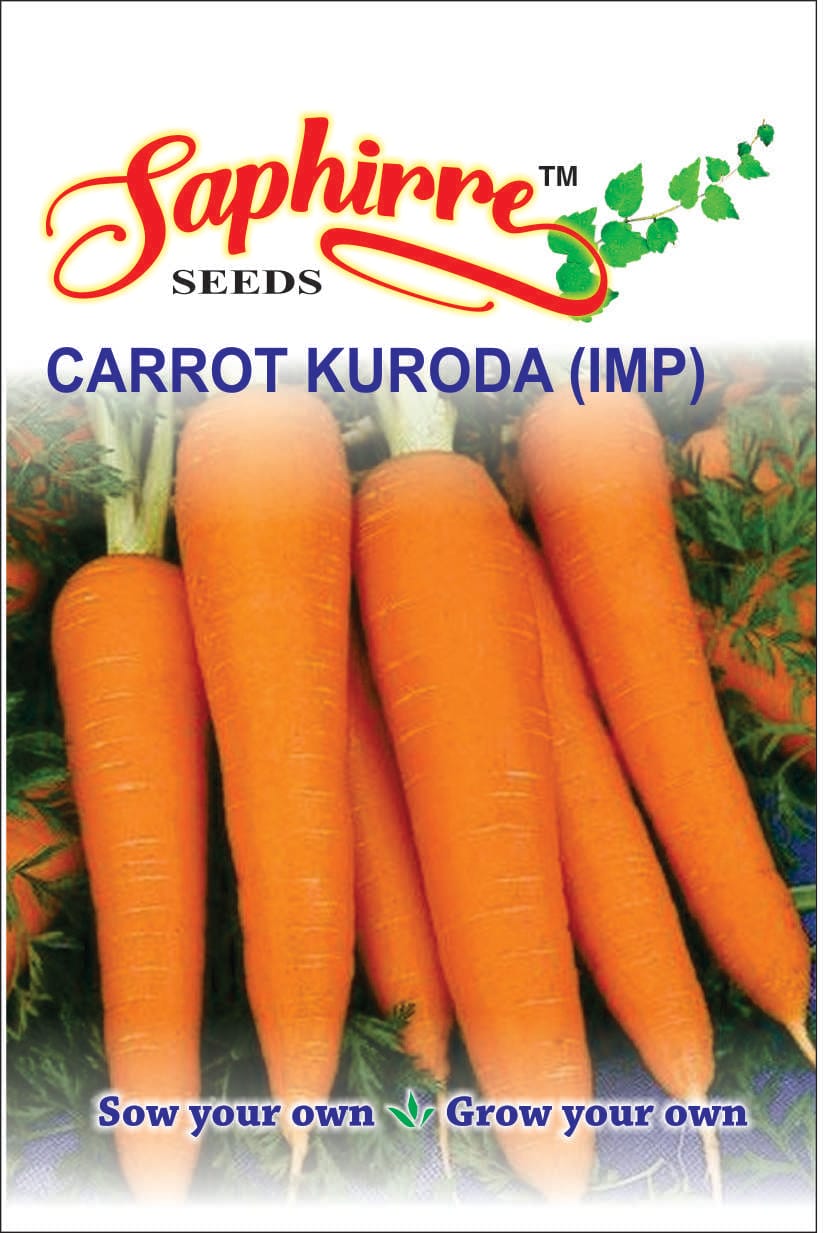







The Complete Guide to Carrot kuroda
If you are looking to grow your own garden of crunchy goodness, these vegetable seeds are your golden ticket. The Carrot kuroda is a premium heirloom variety—the “vintage wine” of the vegetable patch. With a rich history dating back to the 19th century, growing these seeds is like gardening with a history lesson.
These tiny powerhouses pack a punch of flavor and nutrition, transforming your soil into a vibrant orange wonderland. This specific variety combines two superstars of the vegetable world: the short and stout Chantenay, perfect for robust growth without the fuss of lengthy growing times, and the Nantes, the sweetheart of the carrot family known for its unmatched tender texture. With the right care, you’ll be pulling up fresh carrots that make grocery store varieties look like sad, wilted imposters.
Why Grow Carrot kuroda?
Flexible Harvesting: These carrots offer ultimate flexibility in your gardening schedule. They can be harvested early for sweet, tender baby carrots, or left in the ground to grow larger without losing their crunch.
A “Magic Bean” for Soil Health: Growing these biennial plants actually improves soil structure and health, making them a highly beneficial crop for sustainable gardening.
Gourmet Flavor: Their naturally high sugar content and crisp texture make them the ideal choice for snacking, raw salads, and gourmet dishes.
Eco-Friendly Champion: Going organic with these seeds ensures you grow healthy, chemical-free carrots that thrive in natural conditions, offering a taste as pure as your farming methods.
Quick Growing Specifications
Step-by-Step Planting & Care Guide
Growing carrots is a delightful journey from seed to harvest. With a little patience and the right conditions, you will be rewarded with a crunchy, sweet treat:
Sowing: Direct sow your seeds in loose, well-drained soil after the last frost has passed. Space them 1-2 inches apart in rows 12-18 inches apart.
Thinning: This step is crucial for healthy root development! Once the seedlings reach 2 inches in height, thin them out to 3-4 inches apart.
Watering & Feeding: Water regularly to keep the soil consistently moist but not waterlogged. Fertilize with a balanced organic blend every 4 to 6 weeks.
Mulching & Maintenance: Apply a thick layer of organic mulch around the plants to lock in moisture, keep the roots cool, and suppress competing weeds.
Companion Planting & Pest Control: Carrot companion plants are the best friends your carrots could ask for, helping deter pests and improve growth. Monitor for aphids and carrot flies, treating them with organic pest control methods as needed.
Harvesting: The grand finale! Timing is everything. Harvest when the roots are 6-8 inches long. Pulling these beauties from the ground is like unearthing buried treasure—just don’t forget to wash off the dirt before you dig in!
Culinary Uses: The Kitchen Sweetheart
The exceptionally tender texture and juicy flavor of this variety make it incredibly versatile in the kitchen:
Fresh Juicing & Smoothies: Their naturally high sugar content and juiciness make them the absolute best choice for sweet, nutrient-dense fresh juices and smoothies.
Fresh & Raw: Slice them raw for a satisfying crunch in fresh salads, or simply snack on them like a true garden warrior.
Savory Cooking: Chop them into hearty soups, rich stews, and vibrant stir-fries.
Long-Term Storage: These robust carrots can be stored for months in a cool, dark place, or they can be easily pickled and canned for delicious year-round enjoyment.



Reviews
There are no reviews yet.