








The Complete Guide to Kale Tuscan
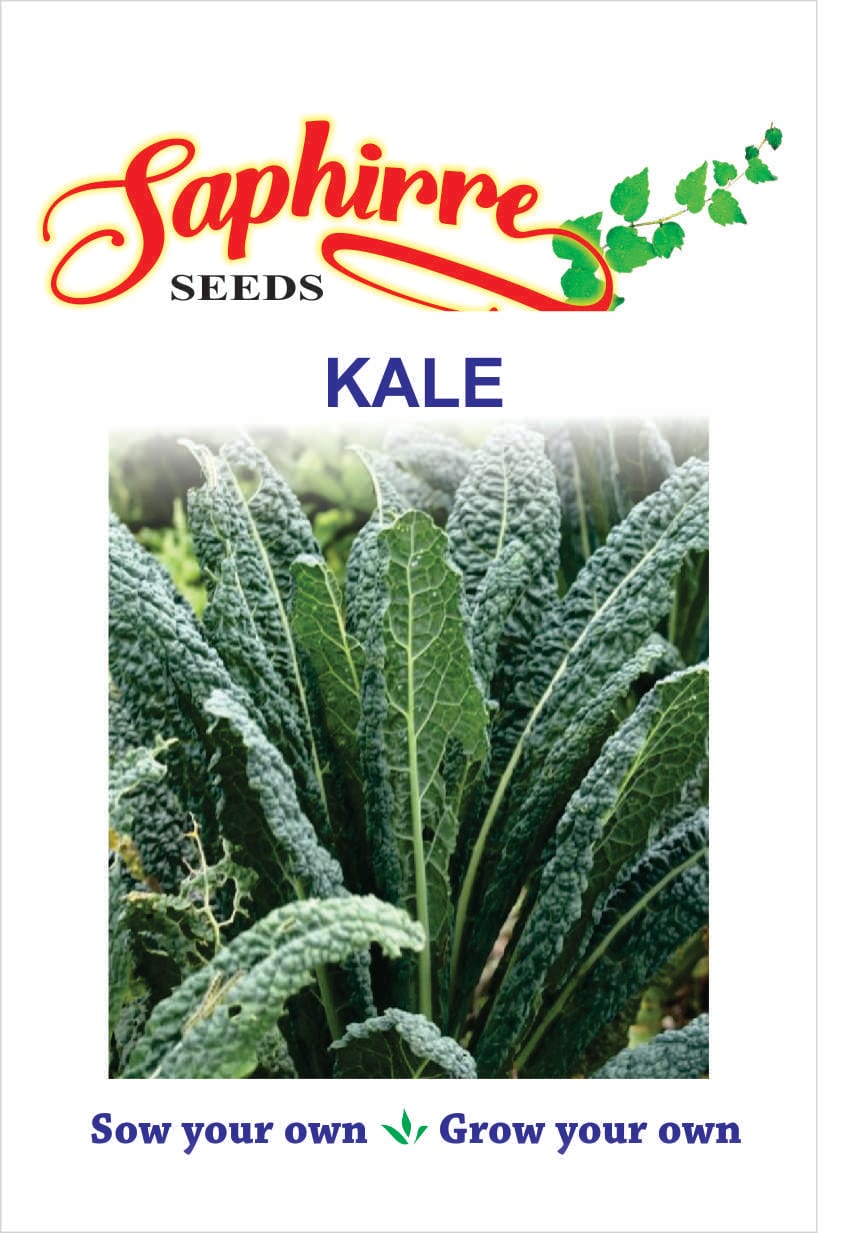
Often referred to as Lacinato or Dinosaur Kale, the Kale Tuscan is a standout in the vegetable patch. With its striking, dark, strap-like leaves and pebbled texture, it is as much a visual showpiece as it is a dietary powerhouse. Cultivated for over 2,000 years, this variety carries the heritage of ancient Mediterranean gardens, bringing a sense of timelessness and robust nutrition to your modern homestead.
Planting Kale Tuscan is a rewarding, “low-stress” gardening project. Because it thrives in cooler temperatures, it is the perfect “anchor” for your fall and winter garden, providing fresh, nutrient-dense greens long after other summer crops have called it a day. It is the culinary chameleon of the kitchen—whether you’re sautéing it with garlic, blending it into a vibrant smoothie, or baking it into crispy, healthy chips, it always adds a gourmet touch to the table.
Why Grow Kale Tuscan?
Superior Cold Resilience: It doesn’t just tolerate the cold; it prefers it! Exposure to light frost actually converts the plant’s starches into natural sugars, making the leaves noticeably sweeter and more tender.
Nutritional Superpower: Eating it is like “giving your body a high-five.” It is incredibly low in calories but dense in anti-inflammatory properties, calcium, and essential vitamins.
Garden Aesthetic: Its regal, dark green leaves add structure and height to your garden beds, creating a beautiful contrast against other leafy greens or bright flowers.
Sustainable & Eco-Friendly: It’s a crop that is as kind to the planet as it is to your body, requiring less water than many other vegetables and helping to improve your soil’s long-term health.
Quick Growing Specifications
Step-by-Step Planting & Care Guide
Growing Kale Tuscan is straightforward and incredibly rewarding:
Sowing: Plant seeds 1/4 inch deep in well-drained soil. Give them space—12–18 inches between plants ensures they have the “breathing room” they need to grow those magnificent leaves.
Watering: Consistent moisture is the secret to tender leaves. Avoid letting the soil become “soggy,” but don’t let it dry out completely, either.
Feeding: A balanced fertilizer every 4–6 weeks will keep your plants robust and productive.
Harvesting: This is your “secret weapon”—harvest from the bottom up! By snipping the older, lower leaves first, you encourage the plant to continue growing tall and producing fresh, new leaves from the center.
Pest Watch: Monitor for common garden visitors like aphids or caterpillars. A quick check and an organic pesticide, if needed, will keep your kale pristine.
Mulching: Adding a layer of mulch helps lock in moisture and keeps weeds from competing for those precious nutrients.
Lifestyle & Design Uses
The “Health Guru” Smoothie: Kale Tuscan is the perfect, subtle green addition to your morning smoothie. It adds a massive nutrient boost without overpowering the flavor of your favorite fruits.
Guilt-Free Crunch: Bake your kale leaves with a drizzle of olive oil and sea salt to create the perfect “afternoon snack” that satisfies those crunch cravings without the grease of potato chips.
Soil Health: With its deep, robust root system, kale helps improve your soil structure, making it a great “partner” for future planting rotations.
Follow-up: Since this variety excels in cooler weather, would you like tips on how to protect your kale if an unexpected, deep freeze is forecasted, or are you looking for recipe ideas for your first harvest?

Reviews
There are no reviews yet.