
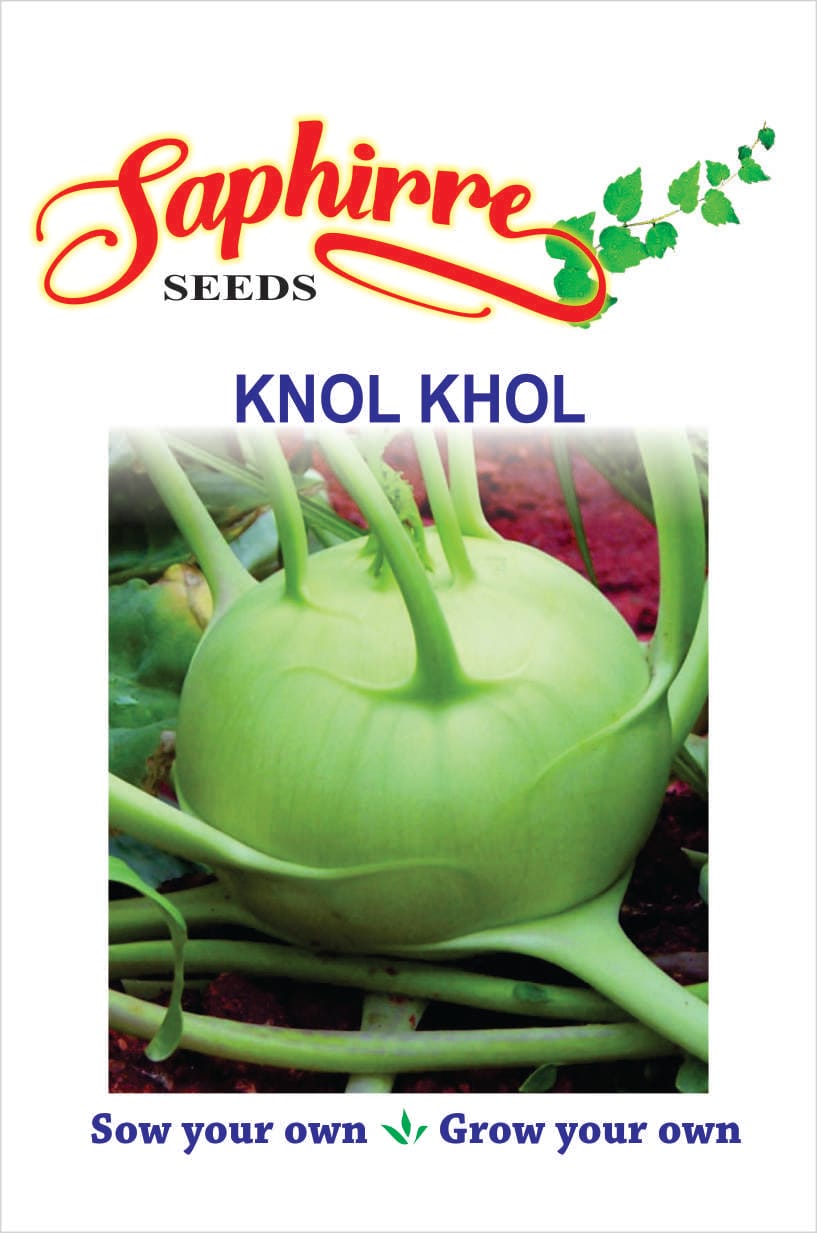




The Complete Guide to Knol Khol White (Kohlrabi)
When it comes to gardening, desi vegetable seeds are like the VIP pass to a flavorful party. Knol Khol, also widely known as Kohlrabi, is the quirky superhero of the vegetable world. Cultivated since Roman times, this heirloom variety originated in Europe and spread across Asia, becoming a beloved staple.
These seeds bring the authentic taste of traditional Indian vegetables right to your backyard. Plant them, nurture them, and watch as they transform your garden into a vibrant patch of nostalgia and flavor. Imagine munching on a veggie that fights off colds while making your bones as tough as a superhero’s! Who knew being healthy could be so deliciously fun?
Why Grow Desi Knol Khol in Your Garden?
The Ultimate Health Sidekick: With only 36 calories per cup, it’s a guilt-free snack that acts like a personal trainer for your diet. Its detoxifying properties and rich antioxidant profile fight off pesky free radicals.
Exceptional Adaptability: This heirloom variety is highly adaptable to different climates and soil types, thriving beautifully in both cool and warm conditions.
Eco-Friendly Champion: Knol Khol is a fantastic choice for sustainable gardening, as it naturally requires significantly less water than many other traditional vegetables.
A Canvas for Culinary Creativity: Its mild flavor absorbs spices beautifully, making it an incredibly versatile canvas for everything from fresh slaws to robust Indian curries.
Quick Growing Specifications
Step-by-Step Planting & Care Guide
Growing Knol Khol is like hosting a garden party where the guest of honor is a quirky vegetable. Treat it right with these essential steps:
Sowing & Spacing: Sow the seeds 1/2 inch deep in well-drained soil. Space them 12 inches apart to allow plenty of room for the bulbs to expand.
Watering & Feeding: Water regularly to keep the soil moist, but don’t drown it—this isn’t a swimming competition! Fertilize with a balanced organic blend every 4 to 6 weeks.
Companion Planting & Pest Control: Companion plant with marigolds to naturally deter aphids, and sprinkle diatomaceous earth to send slugs packing. Inspect regularly to be the hero of your garden saga.
Mulching: Apply a layer of organic mulch around the plants to retain essential moisture and suppress competing weeds.
Harvesting: Harvesting is like unwrapping a present! For the absolute perfect crunch and best flavor, use a sharp knife to cut them from the stem when the bulbs are about the size of a tennis ball (3-4 inches in diameter).
Storage Tips: Storing kohlrabi is an art form. Keep it unwashed in the crisper drawer of your fridge, wrapped in a damp paper towel, so it stays perfectly crisp until you are ready to cook.
Culinary Uses: The Kitchen Chameleon
If you think kohlrabi is just a pretty face, think again! In the world of Indian cuisine and beyond, it is the unsung hero:
Authentic Indian Cuisine: Sauté it with mustard seeds, toss it into a fragrant biryani, or make it the star of your next traditional curry or sabzi.
Trendy Low-Carb Substitute: Use the tender, white bulbs as a healthy, low-carb substitute for potatoes in a myriad of heavy recipes.
Fresh & Crunchy: Shred it raw to create a vibrant kohlrabi slaw that will make your taste buds dance, or toss it into fresh salads.
Savory Cooking: Steam it, blend it into a creamy soup that warms the soul, or roast it for a caramelized, irresistible treat.
Reviews
There are no reviews yet.