
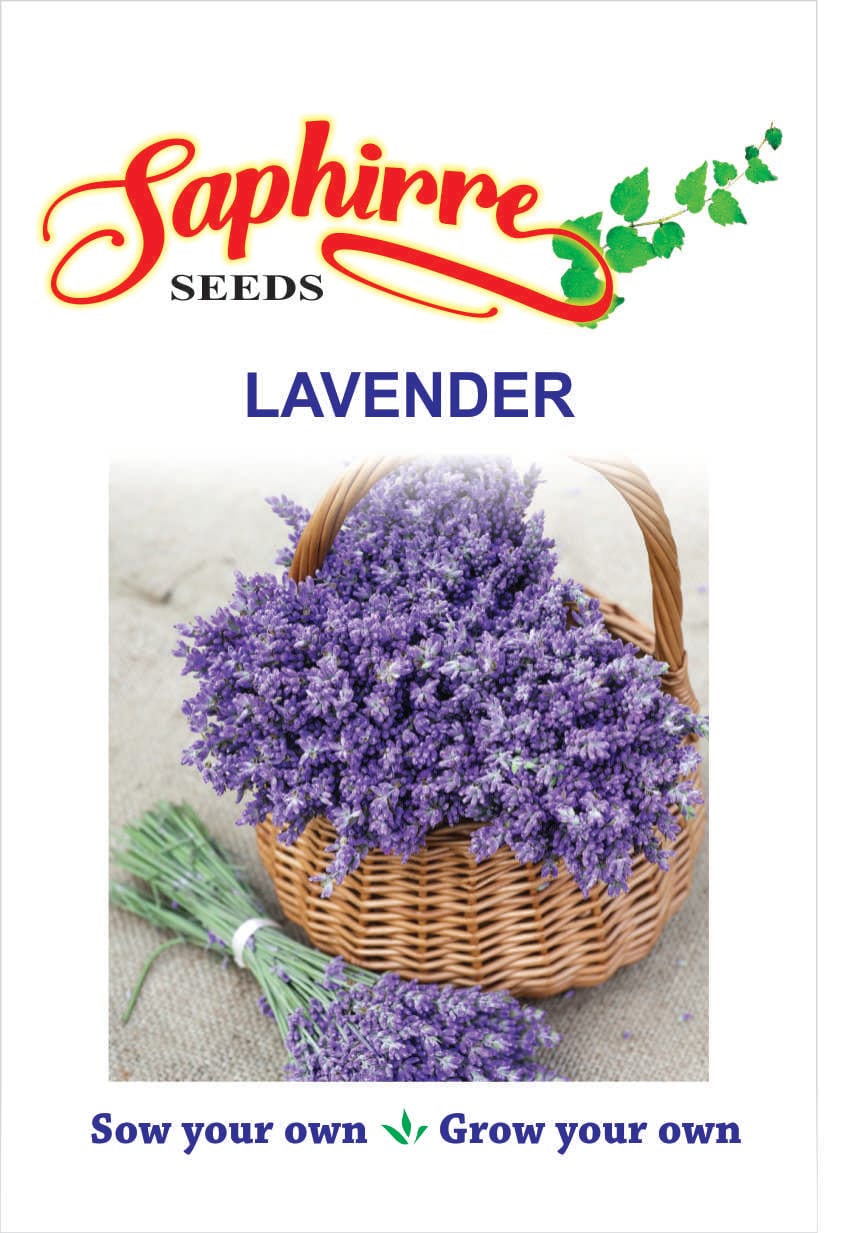



The Complete Guide to Lavender (Lavandula angustifolia)
If you want to elevate your home landscape from “just a garden” to a “tranquil retreat,” Lavender is your essential botanical partner. Celebrated since the days of Ancient Egypt, this hardy, non-GMO perennial is beloved globally for its soothing scent and architectural beauty. Planting lavender is more than just landscaping—it is a lifestyle choice that brings a sense of calm to your daily routine, whether you are harvesting fresh stems for a vase or drying them for home-made sachets.
Lavender is the “Swiss Army knife” of the plant world. It thrives in full sun, is incredibly drought-tolerant, and acts as a natural pest deterrent, making it a “must-have” for busy, sustainable gardeners. Whether you are using it to border a walkway, add interest to a rock garden, or infuse your kitchen creations with a subtle floral note, lavender is as functional as it is stunning.
Why Grow Lavender?
Aromatherapy at Home: Simply brushing against the leaves releases that famous, calming fragrance. It is your personal, natural solution for reducing stress and promoting better sleep.
Pollinator Magnet: Lavender is a “VIP restaurant” for bees and butterflies. By planting it, you are actively supporting local biodiversity and making your yard a hub of activity.
Low-Maintenance Diva: Lavender is incredibly tough. Once established, it requires very little water and thrives in lean, well-drained soil, making it the perfect choice for busy people.
Gourmet Versatility: Its culinary uses are endless—from infusing sugars and teas to adding a sophisticated, floral twist to your favorite baked goods.
Quick Growing Specifications
Step-by-Step Planting & Care Guide
Growing lavender is a rewarding “botanical adventure”:
Sowing: Soak seeds overnight to soften the outer shell. Sow them 1/4 inch deep in well-draining soil and provide plenty of sunshine. Be patient—germination can take a little time!
Sun & Soil: Lavender is a sun-worshipper; 6–8 hours of direct light is non-negotiable. Ensure your soil drains well; lavender hates “wet feet” (root rot).
Watering: Water lightly until seedlings are established. Once mature, it is incredibly drought-tolerant.
Pruning: This is your “secret weapon!” Prune your plants annually after they finish blooming. This removes dead stems, prevents them from becoming “leggy,” and encourages a lush, bushy shape.
Winter Care: Protect from excessive humidity and harsh frost. If you live in a very cold climate, a little mulch or a cover in winter goes a long way.
Lifestyle & Design Uses: A Multi-Sensory Star
Aromatic Wellness: Create your own “spa at home.” Dried lavender in a bath or a sachet in your closet provides a natural, calming scent that lasts for months.
Mediterranean Landscape: Use it as a border plant along paths or walkways to appreciate the fragrance every time you walk by.
Companion Harmony: Plant lavender alongside rosemary, sage, and thyme. They not only share the same “water-wise” needs but also create a visually stunning, aromatic Mediterranean herb garden.
Natural Repellent: Its strong scent is naturally offensive to many common garden pests—planting it is a simple way to protect your other more sensitive flowers.
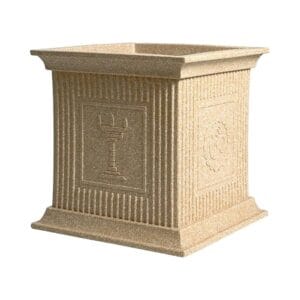
Follow-up: Are you planning to plant your lavender in dedicated garden beds for a mass-bloom effect, or are you interested in using them in containers to keep them portable?


Reviews
There are no reviews yet.