
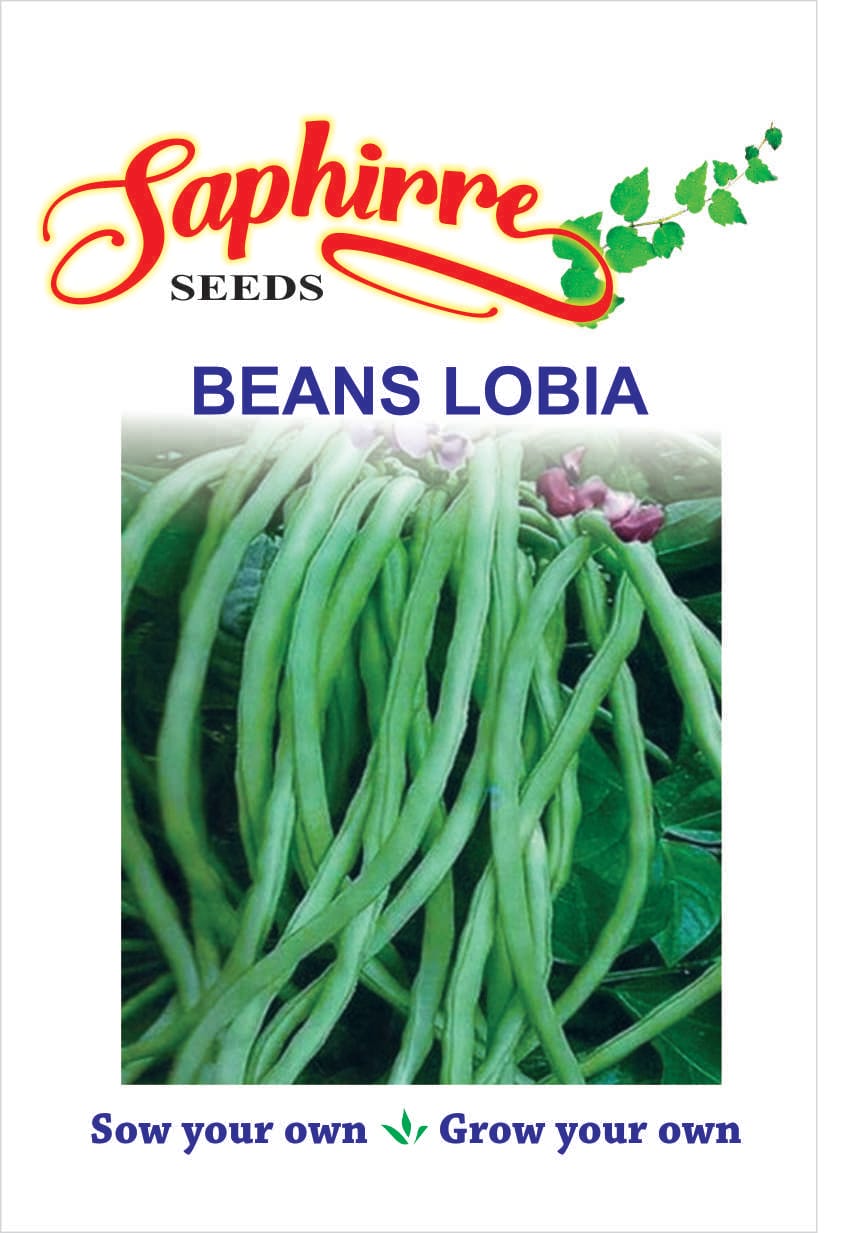






The Complete Guide to Lobia Beans (Black-Eyed Peas)
Introduce a touch of traditional Indian flavor to your home garden with our premium Lobia Beans, widely known as black-eyed peas. Cultivated for over 5,000 years with origins in Africa and Asia, this humble legume is a true superhero of the vegetable world.
Whether you are looking to boost your family’s health with nutrient-dense meals or want to cultivate an eco-friendly garden, Lobia beans are resilient, highly rewarding, and incredibly easy to grow.
Why Grow Lobia Beans in Your Garden?
A Nutritional Superhero: Lobia beans are loaded with protein, fiber, iron, and magnesium. They are low in calories, making them the perfect companion for weight-loss journeys.
Diabetic-Friendly: With a low glycemic index, these beans provide a steady source of energy without sending blood sugar levels on a rollercoaster ride.
Superior to Other Beans: In the great bean showdown, Lobia holds its own. It cooks faster, boasts a delightful nutty taste, and is significantly less likely to cause bean bloat compared to kidney or black beans.
Eco-Friendly & Sustainable: These legumes are incredibly drought-resistant. More importantly, they act as natural nitrogen fixers, enriching the soil for future crops and reducing the need for synthetic fertilizers.
Ancient Healing: Used in traditional medicine for centuries, Lobia beans are celebrated for their anti-inflammatory properties and their ability to help manage blood pressure and cholesterol.
Feature Requirement / Detail Sunlight Full Sun Exposure (6-8 hours daily) Soil Requirement Well-drained, even poor soil conditions Seed Depth 1 inch Spacing 2 to 3 inches apart in rows 18 to 24 inches apart Watering Regular (Avoid waterlogging) Harvest Time 60 to 90 days after planting Step-by-Step Planting & Care Guide
Growing Lobia beans is incredibly simple. These resilient plants thrive in warm weather and forgive those without a perfect green thumb:
Sowing: Plant your seeds 1 inch deep directly into well-drained soil. Space them 2-3 inches apart to give the roots ample room to establish.
Watering: Water regularly, especially during dry spells, but ensure the soil does not become waterlogged.
Feeding: While they thrive in poor soil, a light application of compost or organic fertilizer will give their growth an extra boost.
Weed & Moisture Control: Apply an organic mulch around the base of the plants to retain moisture and naturally suppress competing weeds.
Pest Management: Keep an eye out for pests like aphids and caterpillars, treating the plants with organic pesticides only if necessary. Monitor for signs of disease, such as yellowing leaves.
Harvesting: Pick the pods when they are firm and the beans inside are fully developed, typically between 60 to 90 days.
Seed & Bean Storage: Store dried beans in an airtight container in a cool, dry place where they will last for months. You can also blanch and freeze fresh beans for long-term storage!
Culinary Uses: From Garden to Table
Lobia beans have a special place in Indian cuisine, celebrated for soaking up spices like a sponge.
Traditional Curries: Create a rich, spicy Lobia Masala paired with rice or roti for a satisfying, nutritious meal.
Healthy Salads & Dips: Toss boiled beans into refreshing summer salads or blend them into gourmet dips to impress your guests.
Stews & Soups: Add them to hearty stews for a massive protein and fiber boost that will keep you full and satisfied throughout the day.
Reviews
There are no reviews yet.