
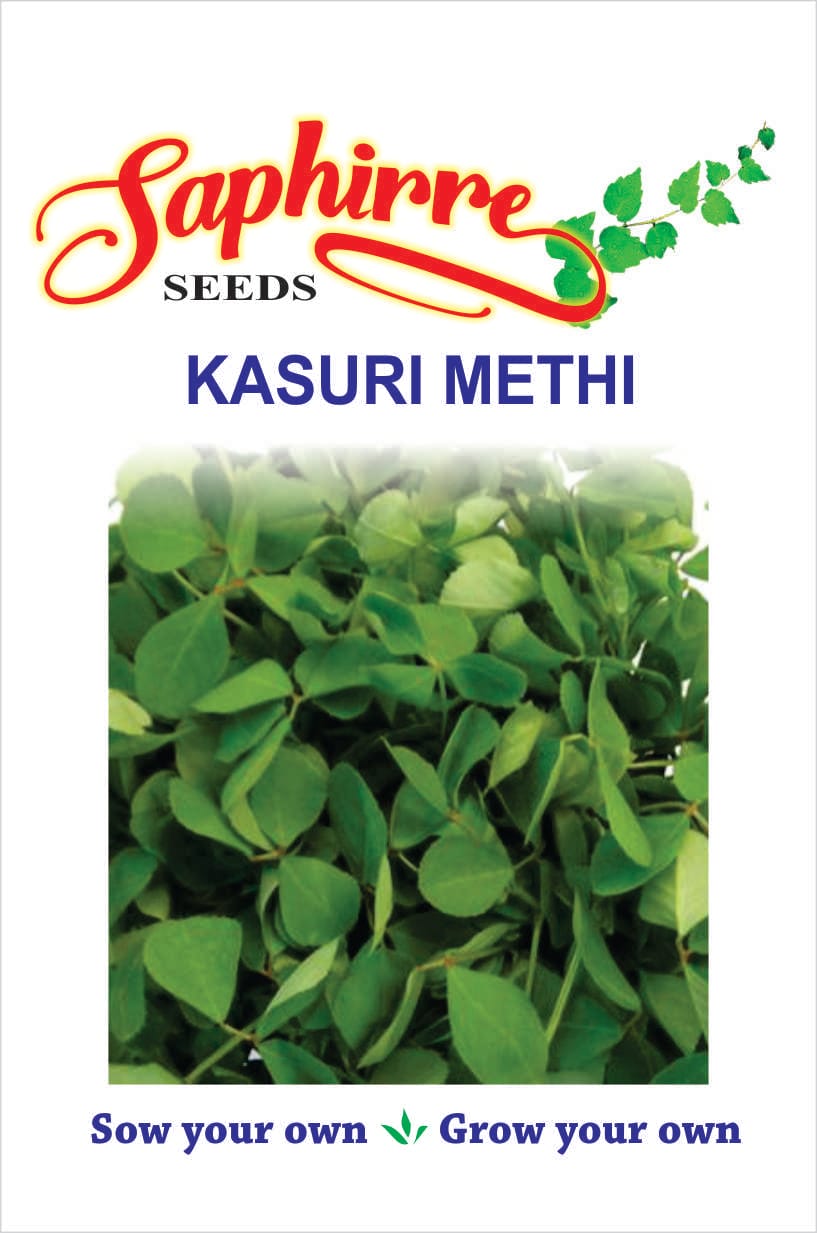







The Complete Guide to Methi Kasturi (Fenugreek)
Methi Kasturi, or fenugreek, is a versatile and nutritious herb that has been cherished for centuries. Its name stems from the Sanskrit word methi, which means “to bring good fortune”—a tradition that lives on today! Historically used since ancient times (found in Egyptian tombs!), this herb is the “wise old sage” of the kitchen and garden.
Growing Methi Kasturi is like hosting a party where everyone is invited. This hardy plant thrives in diverse climates and is incredibly easy to grow, making it the perfect addition for both health-conscious gardeners and culinary enthusiasts. By growing your own, you are not just cultivating a delicious herb; you are embracing a legacy of natural healing and traditional flavor.
Why Grow Methi Kasturi in Your Garden?
Soil Fertility Champion: It improves soil health through natural nitrogen fixation, making it an eco-friendly, sustainable choice that leaves your garden better than you found it.
Culinary Swiss Army Knife: Indispensable in Indian cuisine, it adds an unmatched depth of flavor to curries, breads, and dals. It is the secret weapon to impressing guests with authentic flavors.
The Unsung Hero of Wellness: Beyond the kitchen, it acts as a personal health trainer, naturally helping to regulate blood sugar, boost metabolism, and aid weight loss by keeping you feeling full longer.
Natural Beauty Secret: It is renowned for promoting luscious locks and preventing dandruff, while its antibacterial properties make it a stellar ingredient for DIY soothing skin facials.
Quick Growing Specifications
Step-by-Step Planting & Care Guide
Growing Methi Kasturi is simple, rewarding, and requires minimal fuss. Follow these steps to cultivate your own patch:
Sowing: Plant seeds 1/2 inch deep in well-drained, loamy soil.
Watering & Feeding: Keep the soil consistently moist. Fertilize every 4 to 6 weeks with organic compost or a balanced organic fertilizer to keep the plants lush and fragrant.
Weeding: Regularly remove uninvited guests (weeds) to prevent them from competing for vital nutrients.
Pest Management: Monitor for aphids and treat them promptly with neem oil as a natural, safe pesticide.
Harvesting: Harvest the leaves when they are young and tender for the best flavor. If you want seeds, let the plant mature until the pods turn brown, then collect the tiny treasure chests!
Storage: Keep the seeds in a cool, dark place to maintain their potent flavor for future culinary adventures.
Culinary & Lifestyle Uses: The Versatile Legend
Whether you’re a gourmet chef or a home remedy enthusiast, this herb is a must-have:
Authentic Culinary Masterpiece: Use fresh leaves in vibrant salads, aromatic curries, and traditional breads like Methi Thepla. It’s a staple for a reason!
Natural Hair & Skin Care: Create nourishing hair masks to fight dandruff or soothing facial pastes to combat acne and irritation.
Digestive & Metabolic Support: Incorporate the seeds into your daily diet as a trusted, natural remedy to aid digestion and support your overall metabolic health.
Ayurvedic Wisdom: Channel your inner Ayurvedic guru by using this “wise old sage” herb as a natural remedy for respiratory and digestive balance in your daily life.

Reviews
There are no reviews yet.