







The Complete Guide to Organic Parsley
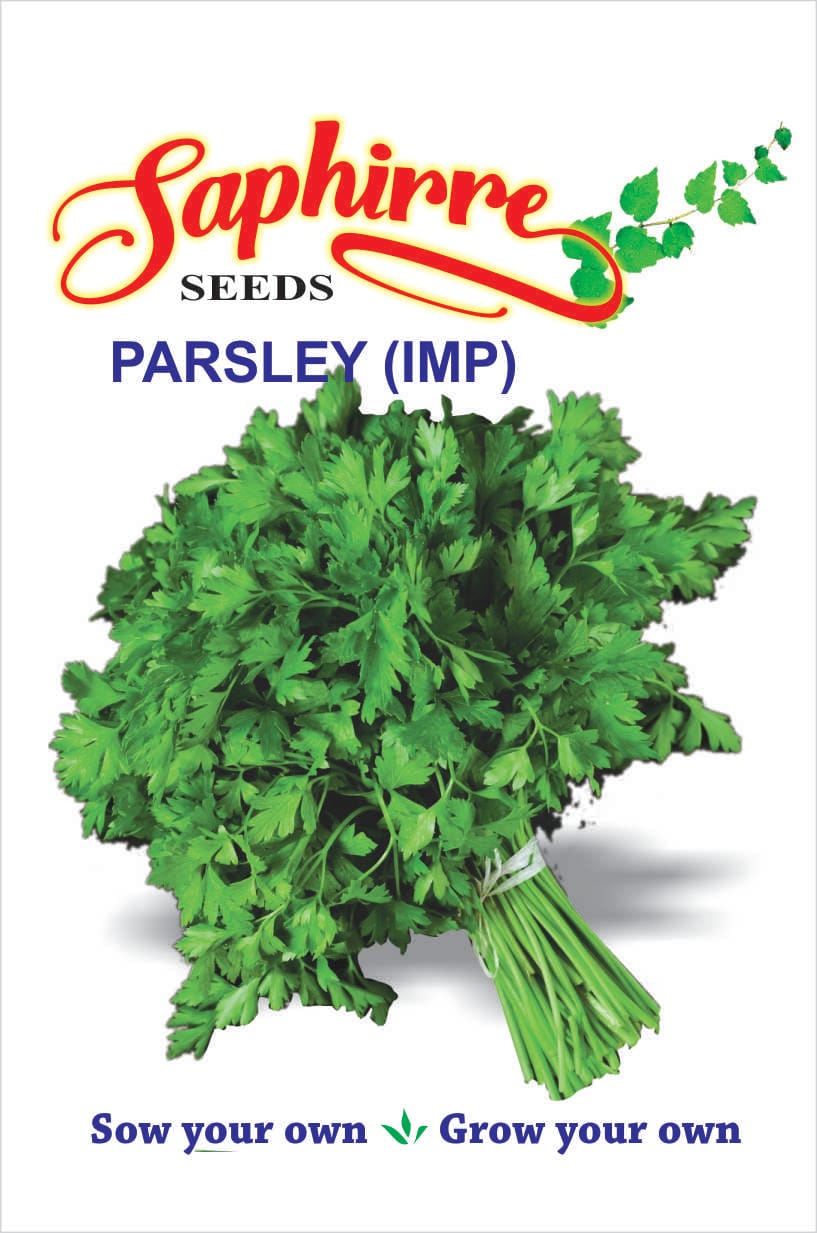
If you want to transform your home cooking, Parsley is your ultimate secret weapon. Often unfairly dismissed as a mere “plate decoration,” parsley is actually the “rock star” of the herb world, celebrated by ancient Greeks and Romans for its medicinal prowess and its ability to act as a sophisticated flavor enhancer. Whether you are blending it into a vibrant pesto, tossing it into a summer salad, or using it to brighten up a hearty stew, fresh organic parsley brings a clean, crisp, and aromatic depth that dried store-bought herbs simply cannot match.
Planting our organic, non-GMO seeds is an act of “culinary stewardship.” Because they are grown without synthetic pesticides or fertilizers, you are not just cultivating an herb; you are fostering a healthier ecosystem right in your backyard or windowsill. Parsley is the perfect “anchor plant” for any herb garden—it is forgiving for beginners, yet rewarding enough to keep seasoned chefs coming back for more.
Why Grow Organic Parsley?
Nutritional Powerhouse: It is packed with vitamins and minerals, acting as a “green superhero” that boosts your immune system and adds vital nutrients to your meals.
Versatile “Swiss Army Knife”: From fresh garnishes to smoothies, teas, and seasoning blends, its utility in the kitchen is practically limitless.
Space-Efficient: It thrives in window boxes, pots, or garden beds, making it the perfect choice for urban gardeners or anyone with a sunny spot to spare.
Eco-Friendly Impact: By choosing organic, you are promoting soil health, reducing chemical runoff, and supporting the pollinators that keep your garden buzzing and beautiful.
Quick Growing Specifications
Step-by-Step Planting & Care Guide
Growing this “culinary treasure” is a rewarding craft:
The “Soak” Trick: Because parsley seeds can be slow to start, soak them in water for 24 hours before planting. Think of it as a “pre-party wake-up call” for your seeds!
Patience: Germination can take 14–30 days. Don’t worry if you don’t see green immediately—they are hard at work establishing their roots.
Watering: Keep the soil consistently moist but never waterlogged. It’s the Goldilocks rule: just right!
Pruning: “Snip early and often!” Regularly pruning the outer leaves encourages the plant to grow bushier and more productive from the center.
Feeding: A balanced organic fertilizer every 4–6 weeks keeps your plant lush and vibrant.
Pest Watch: Keep an eye out for aphids. An organic insecticidal soap is a great “natural guard” to keep your crop pristine.
Lifestyle & Design Uses: A Multi-Sensory Star
Culinary Passport: Use it as your gateway to fresh, vibrant flavor. It’s the herb that says, “I can do it all,” and does it with style.
Companion Harmony: Parsley is a “social butterfly.” It thrives alongside tomatoes, carrots, and roses, creating a vibrant, harmonious ecosystem in your garden beds.
Indoor Oasis: You don’t need a sprawling farm to grow it. A sunny windowsill is enough to have a mini “herb party” right in your kitchen—no weeding required!
Follow-up: Since parsley is a biennial plant that produces seeds in its second year, would you like tips on how to save your own seeds for next season, or are you looking for a specific recipe to use your first fresh harvest?
Reviews
There are no reviews yet.