








The Complete Guide to Pak Choy
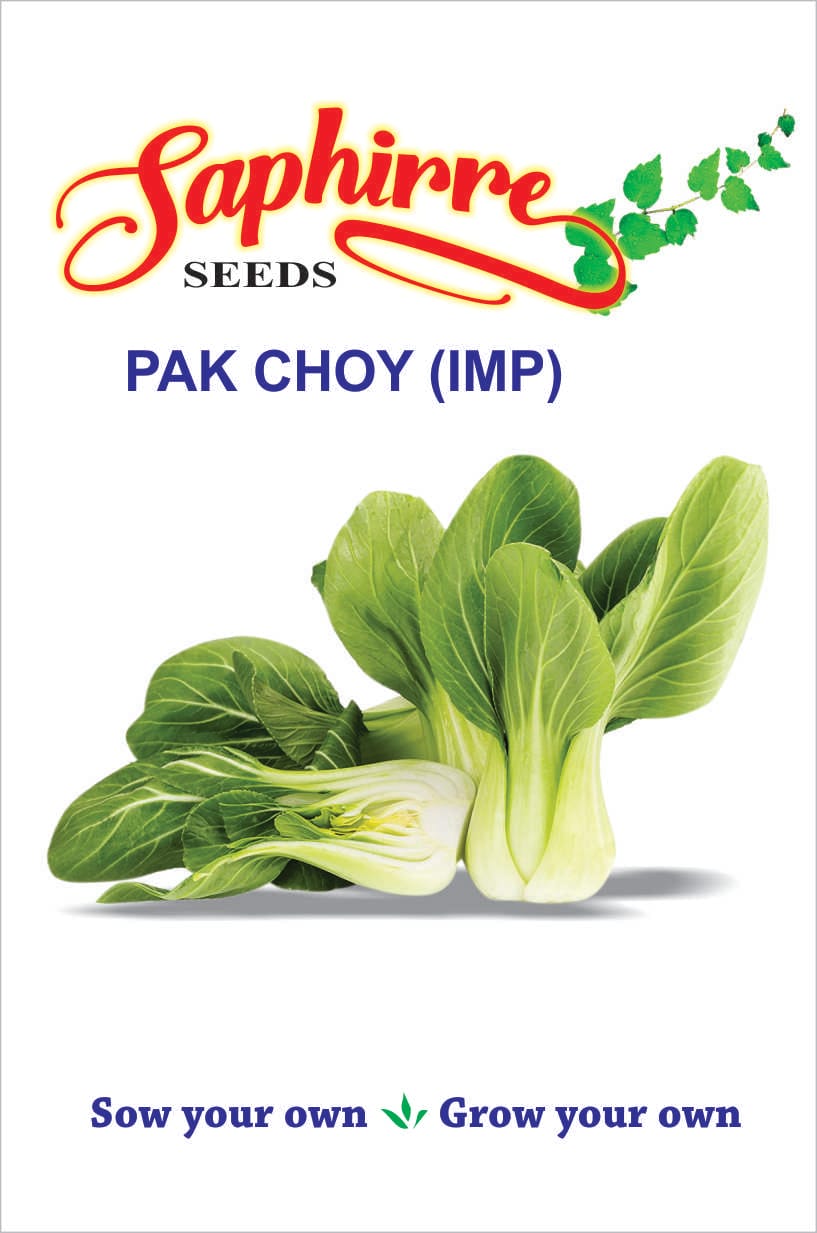
If you are looking for a vegetable that is as reliable as it is delicious, Pak Choy (also known as Bok Choy) is your ultimate partner. Cultivated for over 5,000 years, this member of the cruciferous family—which includes broccoli and kale—is a cornerstone of traditional Asian cuisine. Its versatility is unmatched: it can be stir-fried, steamed, sautéed, or even tossed fresh into salads for a refreshing crunch.
Planting Pak Choy is perfect for beginners or those seeking “instant gratification” in the garden. Because it has such a rapid growth cycle, you won’t have to wait months to enjoy the fruits of your labor. It is a “culinary chameleon” that adapts to almost any dish, making it a must-have for home cooks who appreciate fresh, nutrient-dense ingredients.
Why Grow Pak Choy?
Nutritional Powerhouse: Packed with vitamins A, C, and K, as well as essential calcium and iron, it acts as a “superhero” for your overall health and wellness.
Rapid Harvest: Its fast growth cycle allows for multiple harvests per season, ensuring you aren’t stuck waiting for the garden to “wake up.”
Eco-Conscious Choice: It requires less water than many other crops, making it a smart choice for sustainable, environmentally friendly gardening.
Versatile Adaptability: Whether you are gardening in containers, raised beds, or traditional rows, Pak Choy thrives in a variety of soil types and climates.
Quick Growing Specifications
Step-by-Step Planting & Care Guide
Growing this leafy green is incredibly straightforward:
Sowing: Plant seeds 1/4 to 1/2 inch deep in well-drained soil. Give them 6–12 inches of space to ensure each plant can reach its full, tender potential.
Temperature Control: Pak Choy loves the “cool” life. Plant it in spring or fall, and if a summer heatwave strikes, provide some partial shade to prevent the plants from bolting.
Feeding: A balanced fertilizer every 4–6 weeks keeps the plants growing vigorously.
Pest Watch: Like any Brassica, keep an eye out for visitors like aphids or caterpillars. Organic pesticides are your “go-to” if you need to protect your harvest.
Harvesting: “Young and tender” is the secret to the best flavor! Harvest the leaves while they are still young to ensure they remain crisp and sweet rather than bitter.
Mulching: Adding mulch is a great way to retain that essential soil moisture and keep weeds at bay.
Lifestyle & Design Uses: A Multi-Sensory Star
Culinary Star: From traditional stir-fries and warming soups to modern, nutrient-boosted smoothies, Pak Choy is the “trusty sidekick” for every meal.
Garden Harmony: Use it in “companion planting” strategies. Planting it alongside garlic and carrots creates a “buddy system” that boosts growth and naturally deters pests.
Urban-Friendly: Because it grows so quickly and can thrive in small spaces, it is one of the best vegetables for urban balcony gardeners or those starting their very first patch.
Follow-up: Since Pak Choy thrives in both spring and fall, would you like tips on the best varieties to plant for specific seasons, or are you looking for some authentic Asian-inspired recipes to use your first harvest?
Reviews
There are no reviews yet.