








The Complete Guide to Sponge Gourd F1 Hybrid
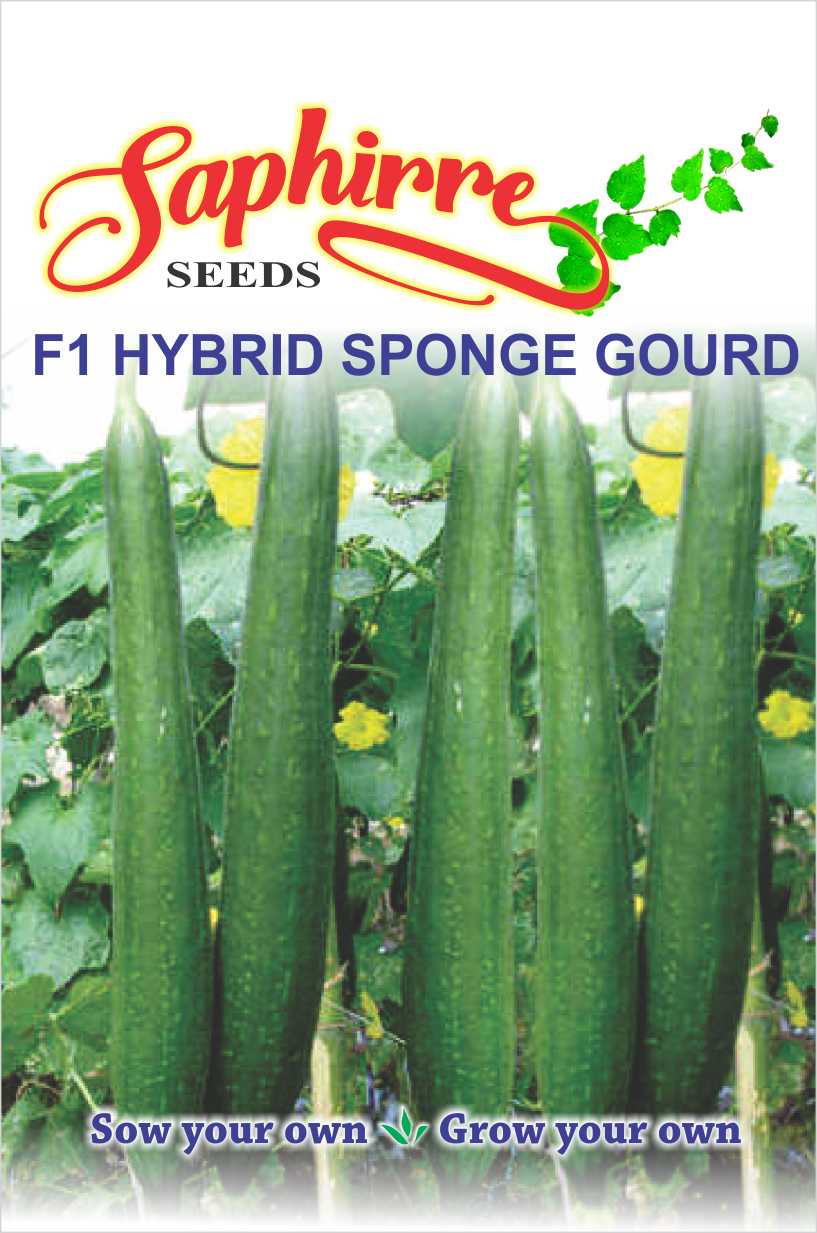
Discover the delightful Sponge Gourd F1 Hybrid, a staple of Indian cuisine and a true “cultural hotspot” for your backyard garden. These Sponge Gourd F1 Hybrid bring a touch of authenticity and flavor that simply cannot be matched by bland, store-bought varieties.
Growing sponge gourd is like embarking on a delightful adventure. They are the superheroes of the vegetable world, ready to transform your garden into a lush, climbing paradise. Because these seeds are steeped in tradition and passed down through generations, planting them is like hosting a culinary reunion where every vegetable tells a story!
Why Grow Sponge Gourd F1 Hybrid?
Nutritional Multitasker: It’s like a multivitamin in vegetable form. Rich in fiber and essential vitamins, it helps boost your immune system, keeps your skin glowing, and acts as a hydrating snack for hot summer days.
The “Swiss Army Knife” of Plants: Beyond the plate, the fibrous texture of the mature fruit makes it an incredible natural household scrubber. It is truly a plant that keeps on giving!
Eco-Conscious Gardening: These resilient vines thrive in warm weather and help improve your garden’s soil health by fixing nitrogen, making them a perfect choice for sustainable, eco-friendly farming.
Easy to Grow: These plants are incredibly forgiving—perfect for those who might have a “black thumb.” Give them a sunny spot and a trellis to scale, and they will reward you with vibrant green bounty.
| Feature | Requirement / Detail |
| Optimal Temp | Warm weather (20°C to 30°C / 68°F to 86°F) |
| Sunlight | Full Sun (6 to 8 hours daily) |
| Soil Requirement | Well-drained, fertile soil |
| Soil pH | 6.0 to 7.0 |
| Seed Depth | 1 inch deep |
| Plant Spacing | 2 to 3 feet apart |
| Watering | Keep consistently moist (Do not waterlog) |
| Harvest Time | When 6–8 inches long |
Step-by-Step Planting & Care Guide
Caring for sponge gourd is like nurturing a long-standing friendship; it requires attention, love, and a little bit of patience:
Sowing: Plant your seeds 1 inch deep in warm, well-drained soil. Space them 2–3 feet apart to ensure they have plenty of room to sprawl and climb.
Watering & Feeding: Keep the soil consistently moist but never waterlogged. Fertilize with a balanced organic blend every 4–6 weeks to keep those vines producing.
Maintenance: Regularly prune excess foliage to improve essential air circulation, which helps reduce disease risk.
Pest Management: Keep an eye out for uninvited guests like aphids and whiteflies. Vigilance and organic pest control methods will keep your garden party safe and productive!
Mulching: Apply a layer of mulch around the base to retain vital soil moisture and suppress competing weeds.
Harvesting: The “treasure hunt” is the best part! Aim to harvest when the gourds are 6–8 inches long. Pick them too early and they are small; wait too long and they become tough—aim for that “Goldilocks” size for the perfect, mild texture.
Culinary Uses: The Culinary Chameleon
Think sponge gourd is just a pretty face? Think again!
Stir-fries, Curries, & Soups: Its unique, silky texture makes it the perfect canvas for spicy Indian curries, light stir-fries, and comforting soups.
Refreshing Crunch: Slice them thin for a refreshing addition to salads or pickle them for a tangy, healthy snack.
Traditional Medicine: Historically celebrated for its cooling properties, incorporating this veggie into your diet is a great way to stay refreshed in hot climates.
Household Utility: Remember, if you miss a few gourds on the vine and they mature too far, let them dry—you’ve just harvested a natural, sustainable, biodegradable kitchen or bath scrubber!




Reviews
There are no reviews yet.