
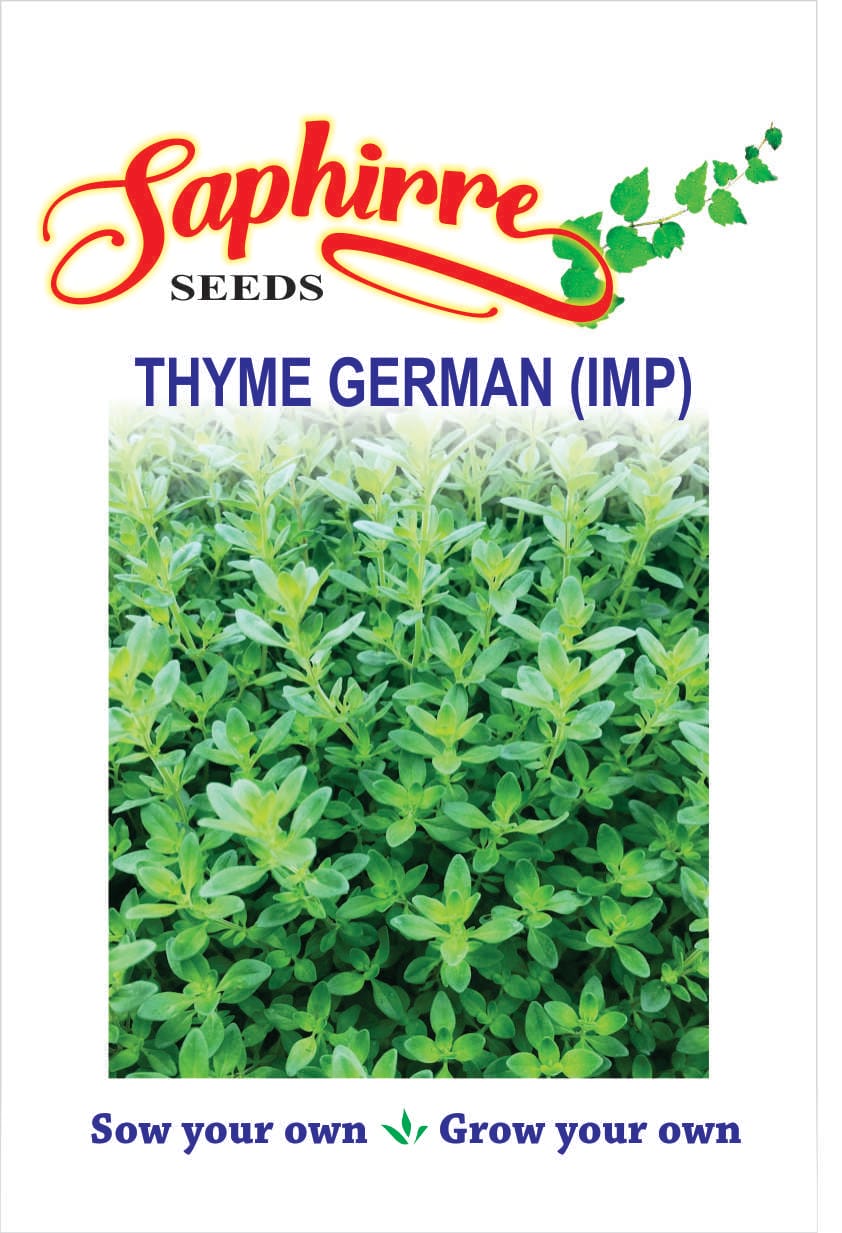










The Complete Guide to Thyme (Thymus vulgaris)
If you are looking for a plant that is as practical as it is beautiful, Thyme is your essential botanical partner. A key ingredient in Mediterranean cuisine, thyme has been revered since the time of the Ancient Egyptians—who used it for embalming—to the medieval period, where it was a symbol of courage given to knights before battle. With its delicate purple flowers and intensely aromatic foliage, thyme brings a sense of history and professional-grade flavor to any kitchen garden.
Planting these seeds is an act of “sustainable gardening foresight.” Thyme is incredibly tough, drought-resistant, and adaptable to various soil types, making it one of the most forgiving herbs for beginners. Once established, it is a perennial that returns year after year, providing you with a continuous supply of fresh, medicinal, and culinary leaves. Whether you are using it to soothe a sore throat with a herbal tea or to add a “dash of magic” to a Sunday roast, thyme is a versatile workhorse that never goes out of style.
Why Grow Thyme?
Culinary Versatility: It is the “culinary chameleon” of the herb world, pairing beautifully with meats, vegetables, and even some desserts to add a sophisticated, earthy flavor.
Natural Wellness: Packed with essential oils and antioxidants, it’s a time-tested remedy for supporting digestion and immune health.
Pollinator Magnet: Planting thyme is one of the easiest ways to support your local bee and butterfly populations, ensuring your garden remains vibrant and buzzing.
Sustainable & Water-Wise: Because it is drought-resistant and thrives in poor soil, it requires very little maintenance, making it perfect for the eco-conscious gardener.
Quick Growing Specifications
Step-by-Step Planting & Care Guide
Growing thyme is a rewarding, “low-stress” experience:
Sowing: Plant seeds 1/4 inch deep. They need plenty of sun, so choose the brightest spot in your garden!
Watering: Don’t “hover.” Thyme hates “soggy feet,” so always let the soil dry out significantly between waterings. It’s the perfect herb for the gardener who wants to save water.
Pruning: “Snip to shape!” Prune regularly to encourage bushy growth and prevent the plant from becoming woody or flowering too early, which can sometimes dilute the leaf flavor.
Feeding: Lightly fertilize in early spring to give it a little boost, but don’t overdo it—thyme prefers lean soil.
Pest Watch: Thyme is naturally robust, but if you do spot aphids, a little organic insecticidal soap will do the trick to keep your harvest pristine.
Winter Care: If you live in an area with extreme cold, a light layer of mulch in winter will keep the roots cozy and ready for a fresh start in the spring.
Lifestyle & Design Uses: A Multi-Sensory Star
“Herbal Hug” Tea: Steep fresh sprigs in hot water with a touch of honey for a soothing, immune-boosting infusion that is the perfect “cozy” drink for a rainy day.
Landscape Beauty: Because it stays low and produces delicate purple flowers, it works beautifully as a fragrant border along paths or as a low-growing “living carpet” in rock gardens.
Companion Harmony: Plant it alongside rosemary and sage. They are “best friends” in the garden, sharing similar water needs and creating a beautiful, aromatic Mediterranean sanctuary.
Follow-up: Since thyme is a perennial that can live for many years, would you like tips on how to divide an older plant to create more thyme for your garden, or are you looking for a specific recipe to use your first fresh harvest?

Reviews
There are no reviews yet.