





The Complete Guide to Yard Long Imported Beans
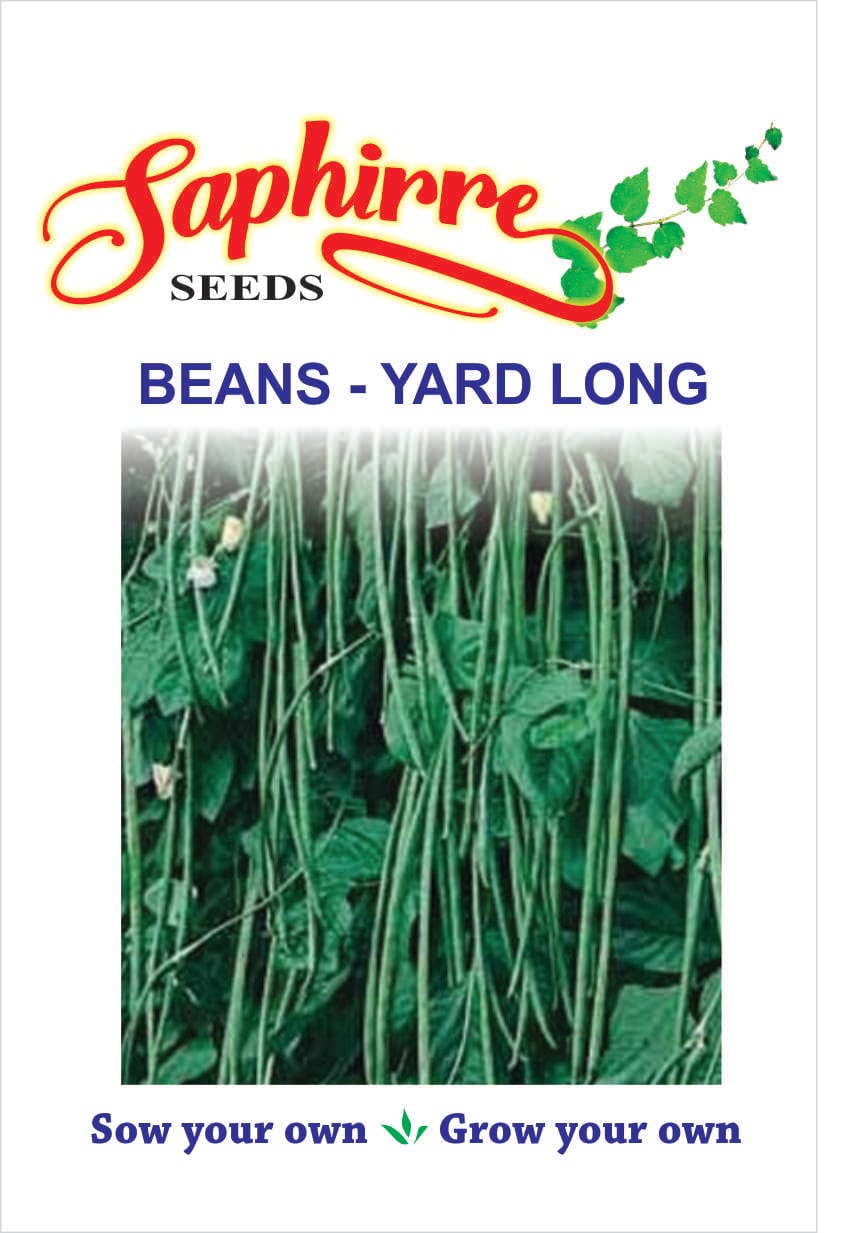
Discover the unique taste and striking visual appeal of Yard Long Imported Beans, also known as “Asparagus Beans,” “Chinese Long Beans,” or “Snake Beans.” These aren’t your average beans; they are the supermodels of the vegetable world! Stretching up to three feet long, these fast-growing tropical legumes bring a touch of drama and elegance to any garden.
Cultivated for centuries and believed to have originated in Africa before becoming a staple in Asia, these beans are celebrated for their tender texture, mild flavor, and incredible versatility in the kitchen.
Why Grow Yard Long Beans in Your Garden?
Abundant, Exotic Harvest: Thriving in warm climates, these beans produce a massive yield of long, slender, vibrant green pods that will impress your friends and fellow gardeners.
A Nutritional Superhero: Rich in vitamins A, C, and K, as well as essential dietary fiber and protein, making them a fantastic health-boosting sidekick for any meal.
Eco-Friendly & Sustainable: Yard Long Beans are nitrogen-fixing plants. They draw nitrogen from the air and enrich the soil, promoting a healthier garden ecosystem and reducing your environmental footprint.
Highly Forgiving: Their ability to grow beautifully in diverse and even less-than-ideal soil types makes them a highly resilient choice for sustainable, organic gardening.
| Feature | Requirement / Detail |
| Sunlight | Full Sun Exposure |
| Soil Requirement | Well-drained soil (adaptable to poor soil) |
| Seed Depth | 1 inch deep (plant after last frost) |
| Spacing | 12 to 18 inches apart |
| Row Spacing | 3 feet apart |
| Support Needed | Trellis, tall stakes, or netting |
Step-by-Step Planting & Care Guide
Transform your backyard into a lush paradise with these simple organic gardening steps:
Sowing: Plant your seeds 1 inch deep in well-drained soil after the threat of frost has passed. Space them 12-18 inches apart to ensure they have room to breathe.
Trellis Support: These beans are the divas of the garden and require a loyal entourage! Install trellises or tall stakes early on to provide the perfect backdrop for them to climb, flourish, and save ground space.
Watering & Feeding: Water regularly to keep the soil consistently moist but never waterlogged. Fertilize with a balanced organic fertilizer every 4 to 6 weeks.
Companion Planting: Pair your beans with compatible herbs and veggies to create a thriving, harmonious ecosystem that naturally deters pests.
Pest Management: Monitor for common pests like aphids and spider mites. Treat them organically to maintain an earth-friendly, chemical-free garden.
Harvesting Techniques: Timing is an art form! Harvest the beans regularly when they are tender and crisp to encourage continuous production. Pick them too late, and they become tough.
Seed Saving: Be a sustainable gardening hero! Leave a few pods on the vine to dry completely, harvest the seeds, and store them for next season’s planting.
Culinary Uses: The Star of Asian Cuisine
Yard Long Beans are a cherished staple in Asian cuisine, ready to elevate your culinary creations from ordinary to extraordinary:
Savory Stir-Fries: Add them to hot woks for a delightful, crisp crunch that soaks up savory sauces perfectly.
Healthy Steaming: Steam them lightly and serve as a vibrant, nutrient-dense side dish.
Fresh Salads: Chop them up to add a crisp, mild flavor and striking green color to your vegetable platters and fresh salads.
Pickling: Preserve their unique texture and flavor by pickling them in jars for a tangy treat year-round.
Reviews
There are no reviews yet.